Introduction
If you have spent any real time inside a recording studio, chances are you have heard someone whisper about the Audio-Technica AT5040 microphone like it is some kind of secret weapon. And honestly, that reputation is not an accident. This is a microphone that engineers talk about the way car enthusiasts talk about a rare engine, and once you understand why, you will probably stop asking “is it worth it?” and start asking “how do I get one?”
In this article, we are going to walk through everything that matters about the AT5040. We will talk about how it is built, why it sounds the way it does, who should actually buy it, and who should probably save their money and look elsewhere. No fluff, no copy-paste marketing language, just a straightforward look at one of the most talked-about studio microphones on the market today.
What Is the Audio-Technica AT5040 Microphone?
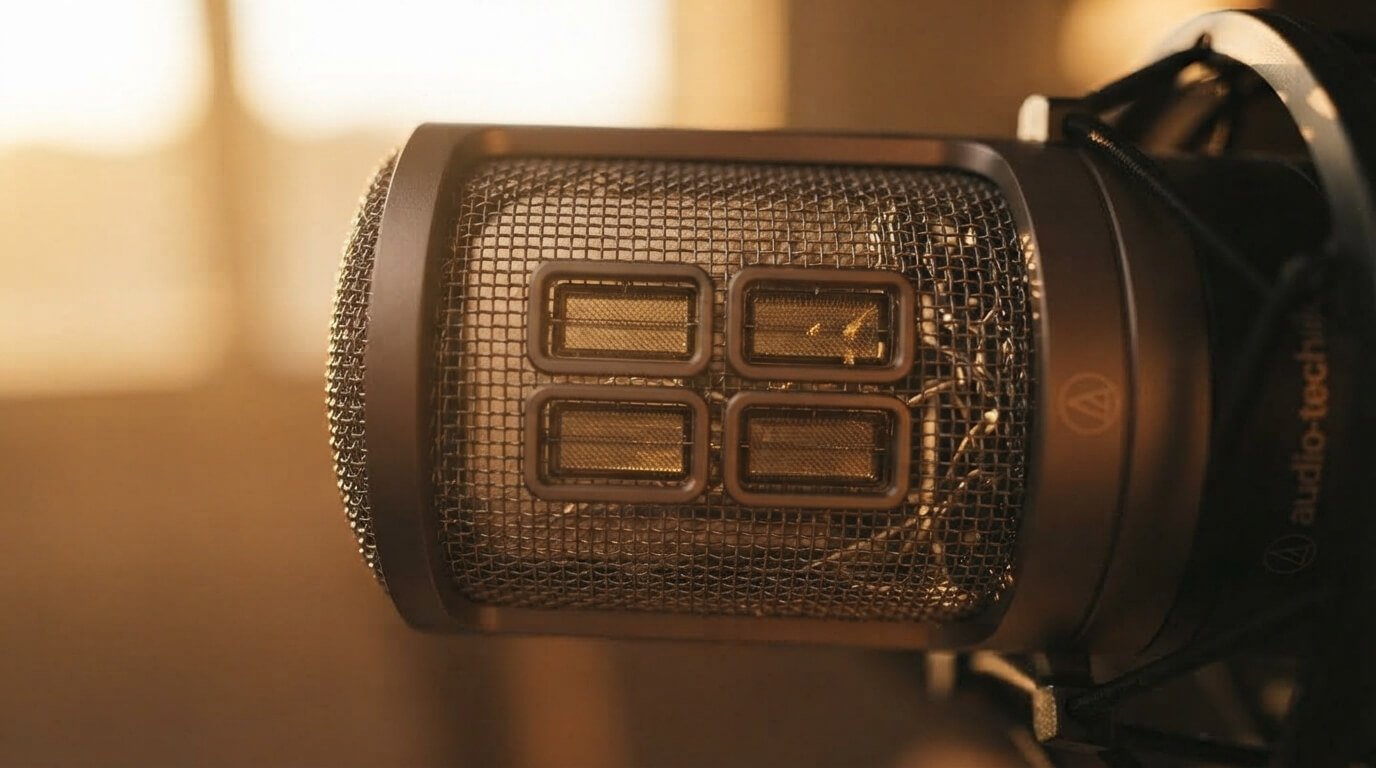
The AT5040 is a large-diaphragm condenser microphone made by Audio-Technica, a brand that has been trusted in recording studios and broadcast booths for decades. Unlike a typical condenser mic that uses one round diaphragm, the AT5040 uses four smaller rectangular diaphragms working together as a single unit. This is not a gimmick. It is the entire reason people fall in love with this microphone the moment they hear it on a vocal track.
Because of this unusual capsule design, the AT5040 produces a sound that feels open, detailed, and remarkably natural. It picks up nuance in a voice that cheaper microphones simply cannot capture, which is exactly why it has become a favorite for vocalists, voice-over artists, and podcasters who want their recordings to sound like they came straight out of a professional studio.
The Unique Four-Capsule Technology Explained
Most people assume bigger diaphragms automatically mean better sound, but the AT5040 proves that engineering matters more than size. Audio-Technica took four thin rectangular diaphragms, arranged them together, and wired them so they act like one large surface area without the downsides that usually come with oversized single diaphragms.
The result is lower mass per diaphragm, which means faster transient response. In simple terms, the microphone reacts quicker to the tiny details in a voice, like breath, warmth, and subtle emotional inflection. This is why so many professionals describe the AT5040 as sounding “alive” compared to other studio microphones that can feel flat or overly polished.
Design and Build Quality
Pick up the AT5040 and you immediately notice it feels different from a typical studio mic. It has a smooth, dark exterior with a distinctive rounded shape that looks almost sculptural. This is not just for looks. The internal shock mount is custom-built specifically for this microphone, and it comes housed in a wooden storage box that feels more like packaging for a fine instrument than an audio accessory.
The build quality signals exactly what kind of buyer this microphone is aimed at. This is not something meant to be tossed in a gig bag and thrown around at live shows. It is designed for a controlled studio environment where it can be treated with the kind of care a serious investment deserves.
Sound Quality and Tone
This is the part everyone actually cares about, and it is where the AT5040 truly separates itself from the pack. The tonal character is smooth, warm, and detailed without sounding harsh or overly bright. Vocals recorded through this microphone tend to sit beautifully in a mix with very little additional processing required.
What makes the AT5040 special is how balanced it sounds across the entire frequency range. The low end feels full without being muddy. Midrange feels present without being boxy. High end feels crisp without becoming sibilant or fatiguing to listen to. For anyone who has struggled with a microphone that makes every vocal take sound slightly harsh, this kind of balance feels like a genuine relief.
Best Use Cases for the Audio-Technica AT5040
While the AT5040 is often marketed toward vocalists, its usefulness stretches much further than that. Podcasters looking for a broadcast-quality voice have adopted it heavily in recent years. Voice-over professionals love it because it captures speech with clarity that requires very little editing afterward. Even some acoustic instrument recordings benefit from its detailed and natural pickup pattern.
That said, its true home is still vocal recording. Whether it is a pop vocalist chasing a polished commercial sound or a singer-songwriter wanting warmth and intimacy, this microphone adapts well to different vocal styles without losing its core character.
Vocal Recording Performance
Ask any engineer who has used the AT5040 on a serious vocal session, and they will likely tell you the same thing: it makes mixing easier. Because the microphone captures such a full and accurate representation of the voice, there is less need to fight the recording with aggressive EQ or compression later on.
This matters more than people realize. A microphone that requires heavy correction after the fact often introduces artifacts or unwanted coloration. The AT5040 largely avoids this problem because it gets so much right at the source. That is the real definition of a professional-grade microphone.
Studio Setup Recommendations
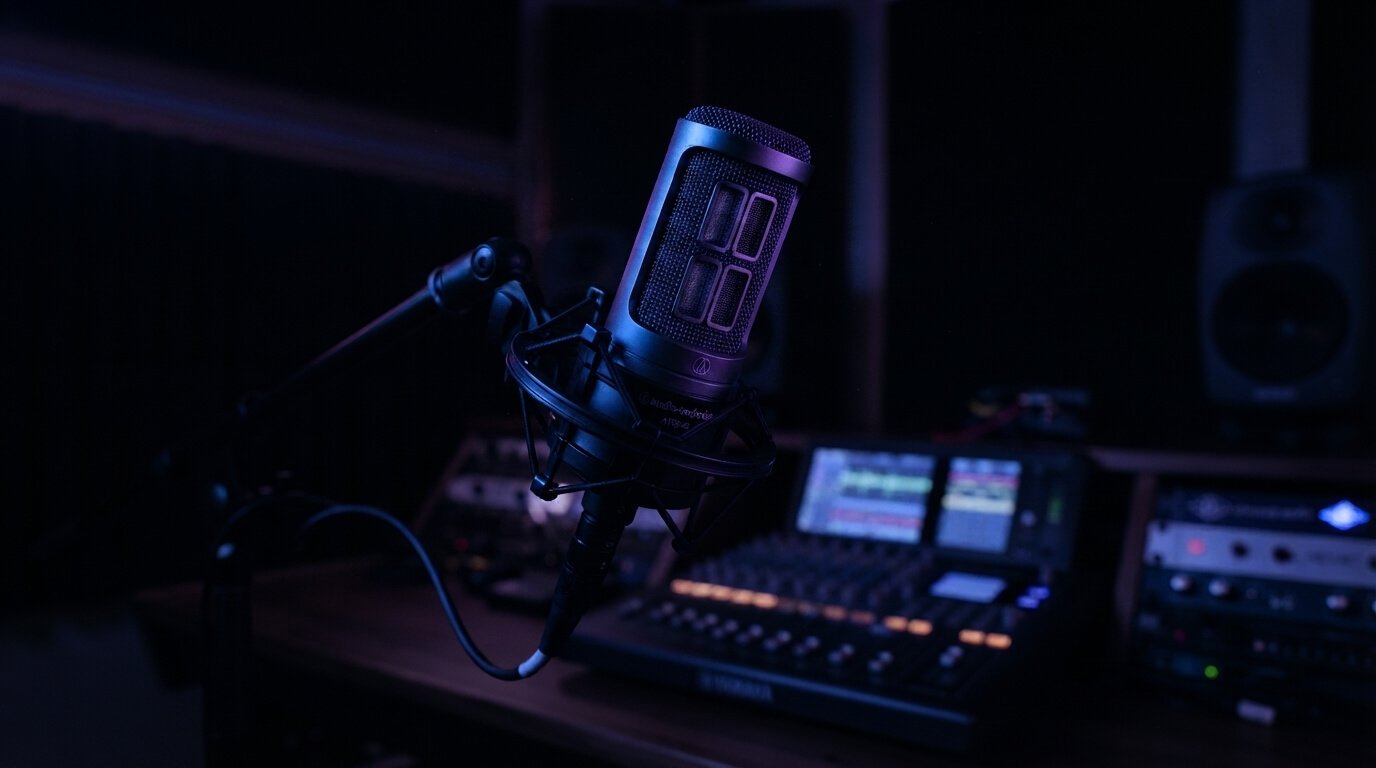
To get the most out of the AT5040, a treated room is strongly recommended. This microphone is sensitive and detailed, which means it will also pick up room reflections, background noise, and any acoustic flaws in your space. Pairing it with quality acoustic foam panels or a reflection filter can dramatically improve results.
A solid preamp also plays an important role here. While the AT5040 does not require extreme amounts of gain, pairing it with a clean, low-noise preamp allows its natural detail to shine without adding unwanted hiss or coloration to the signal.
Comparing the AT5040 to Other Studio Microphones
When people compare the AT5040 to other high-end studio microphones, the conversation often comes down to character versus neutrality. Some competing microphones lean into a vintage, colored sound that adds personality to a vocal. The AT5040 takes a different approach by staying accurate and transparent, letting the natural voice do the talking instead of the microphone itself.
This does not mean it lacks personality. It simply means its personality comes from precision rather than added coloration. For engineers who prefer working with a clean canvas that they can shape later, this approach tends to be exactly what they are looking for.
Pros of the Audio-Technica AT5040
There is a lot to appreciate here. The detail and clarity are outstanding for vocal work. The build quality feels premium and long-lasting. The tonal balance requires minimal correction during mixing. And the overall consistency across different voice types makes it a versatile tool for many types of studio work.
Cons to Consider Before Buying
No microphone is perfect, and the AT5040 does have a few trade-offs worth mentioning. The price point is a significant barrier for beginners or hobbyists working with a tight budget. It also demands a treated recording space to truly perform at its best, which means it is not the most forgiving option for untreated home setups. And because of its size and shock mount design, it is not particularly portable or suited for mobile recording rigs.
Price and Value for Money
Yes, the AT5040 sits firmly in the premium category, and that price tag will make plenty of people pause. But when you consider what you are actually paying for, the value becomes easier to understand. You are paying for engineering that reduces the need for expensive plugins, extra mixing time, and corrective processing down the line.
For professionals whose income depends on vocal quality, that investment often pays for itself simply by saving time and improving results. For casual hobbyists, however, it may be more microphone than necessary.
Who Should Actually Buy This Microphone?
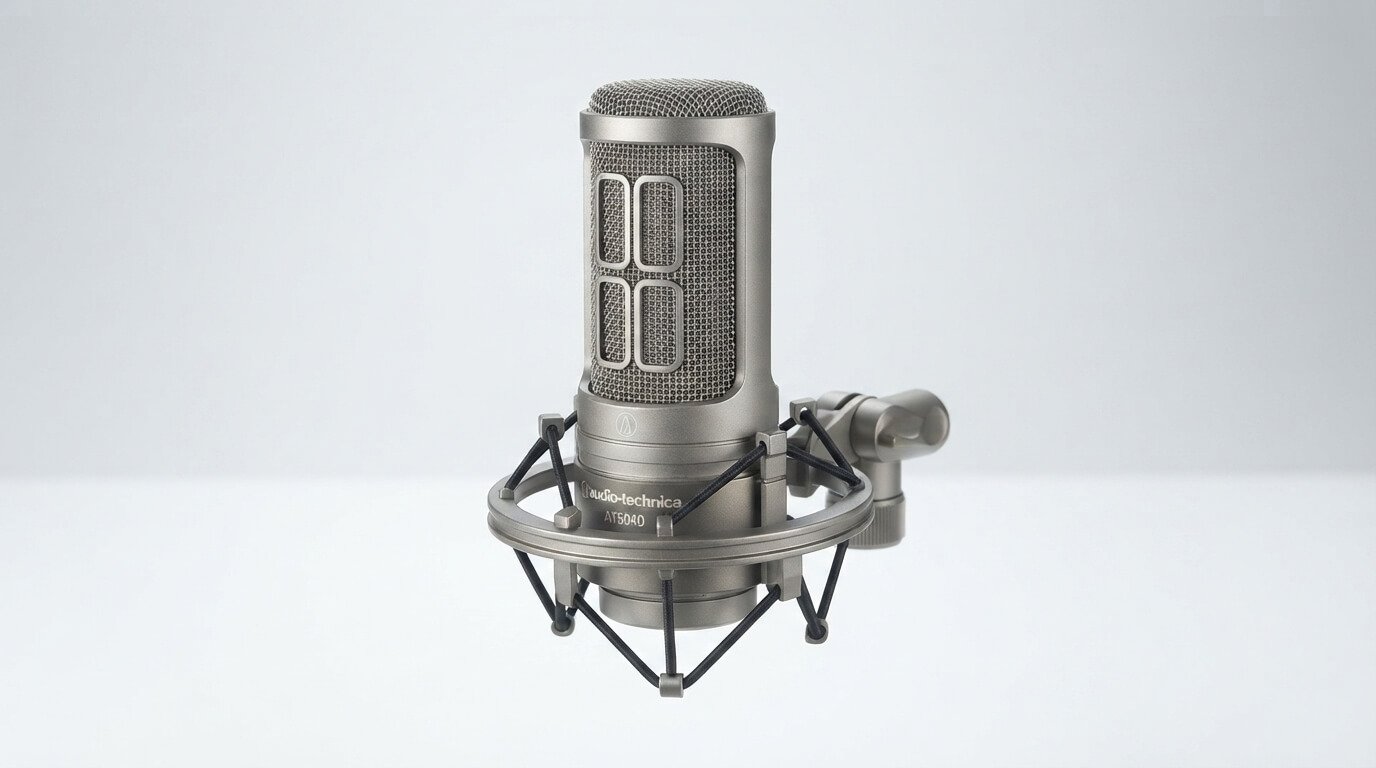
If you are a working vocalist, professional podcaster, voice-over artist, or someone building a serious home studio meant to produce commercial-quality content, the AT5040 makes a lot of sense. It rewards users who already understand microphone technique and room treatment.
If you are just starting out, still experimenting with recording basics, or working with a limited budget, more affordable options will serve you better at this stage of your journey.
Tips for Getting the Best Results With the AT5040
Positioning matters more than people expect. Because this microphone captures so much detail, even small changes in distance and angle can noticeably change your tone. Experimenting with placement before committing to a final take is always smart.
Pop filters are also essential here, since the microphone’s sensitivity means plosives can become distracting if left unmanaged. A little patience during setup goes a long way toward getting a clean, professional-sounding recording.
Accessories Worth Considering
Beyond the included shock mount, many users pair the AT5040 with a quality pop filter, an isolation shield for untreated rooms, and a sturdy microphone stand capable of supporting its weight securely. These small additions can meaningfully improve your final recordings without requiring major additional investment.
Final Verdict on the Audio-Technica AT5040 Microphone
At the end of the day, the AT5040 earns its reputation honestly. It is not hype for the sake of hype. The four-capsule design genuinely delivers a level of clarity and warmth that is difficult to find elsewhere, and for the right buyer, it becomes an instrument they rely on for years.
Conclusion
The Audio-Technica AT5040 microphone is a premium studio tool built for people who take vocal recording seriously, offering exceptional clarity and natural tone that justifies its higher price for professional use.