Introduction
Apple’s earbuds have always been a big deal, but the AirPods Pro 3 arrived with a level of hype that felt bigger than usual, mostly because it had been three full years since the previous Pro model got a real update.
Launched in September 2025, this new pair promised better sound, stronger noise cancellation, a more comfortable fit, and even a health feature that nobody really saw coming. In this article, we will go through everything the AirPods Pro 3 bring to the table, explained in plain and simple language, so you can decide whether they are actually worth the upgrade or the purchase.
What Are the AirPods Pro 3?
The AirPods Pro 3 are Apple’s latest flagship wireless earbuds, sitting at the top of the AirPods lineup above the standard AirPods and AirPods 4. They represent the first major redesign of the Pro line since the AirPods Pro 2 launched back in 2022, since the earlier 2024 update mostly just added USB-C charging and hearing aid features rather than a full hardware overhaul.
This time around, Apple focused on a genuinely new design, a more advanced chip, and features that push these earbuds closer to being a small wearable health device rather than just something you listen to music with.
A Smaller, More Comfortable Design
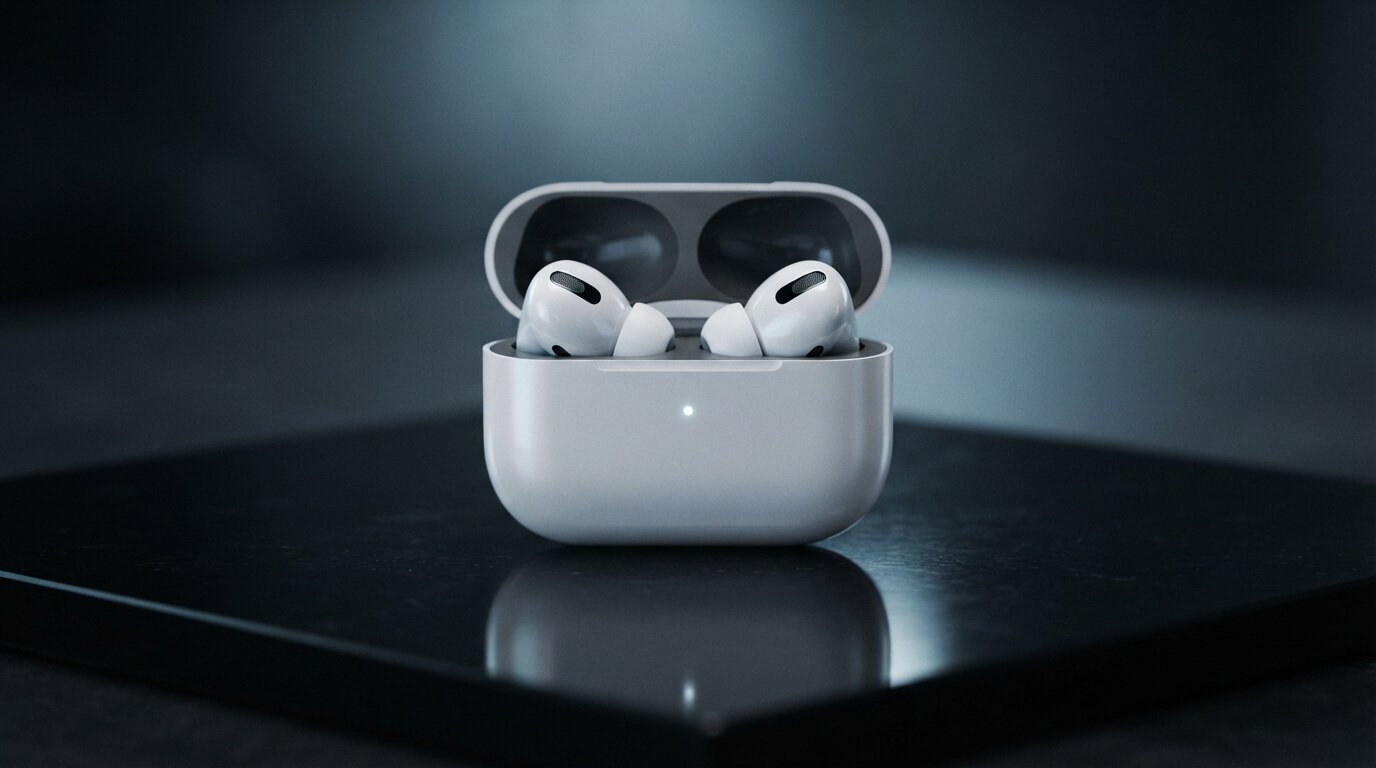
One of the first things people notice about the AirPods Pro 3 is that they are actually slightly smaller and lighter than their predecessor, with each earbud weighing just over five and a half grams. This might sound like a tiny detail, but for something you wear in your ears for hours at a time, every gram matters when it comes to comfort.
Apple also redesigned the internal shape and fit to sit more securely, which matters a lot for anyone who has struggled with earbuds falling out during workouts or daily movement.
Five Ear Tip Sizes for a Better Fit
To go along with the redesigned shape, Apple now includes five different sizes of foam-infused ear tips in the box, which is more than any previous generation offered. Having more size options means a much higher chance of finding a genuinely comfortable and secure fit, which also directly improves how well the noise cancellation works, since a tighter seal blocks more outside sound naturally.
This attention to fit might seem like a small thing, but reviewers have consistently pointed to it as one of the more meaningful improvements in daily, real-world use.
The World’s Best Active Noise Cancellation
Apple has openly marketed the AirPods Pro 3 as having the world’s best active noise cancellation among earbuds, claiming roughly twice the noise-blocking performance compared to the AirPods Pro 2.
This is not just marketing talk either, since combining the improved physical seal from the new ear tips with upgraded internal processing genuinely does make a noticeable difference in loud environments like airplanes, busy streets, or crowded offices. For anyone who relies on their earbuds to create a quiet bubble during a commute or a work session, this upgrade alone might be worth the price.
A New Multiport Acoustic Architecture
Underneath the redesigned shell, Apple introduced what it calls a new multiport acoustic architecture, which is essentially a smarter way of controlling how air and sound travel through the earbud before reaching your ear.
This redesign, combined with next-generation Adaptive EQ, results in noticeably improved bass response, a wider and more spacious soundstage, and clearer vocals across music, podcasts, and phone calls. In simpler terms, songs sound fuller, voices sound clearer, and the overall listening experience feels more balanced compared to earlier AirPods generations.
Heart Rate Sensing: A Surprising New Feature
Perhaps the most unexpected addition to the AirPods Pro 3 is a built-in heart rate sensor, something nobody really expected to see in earbuds before this release. Apple achieved this using a custom photoplethysmography sensor, which shines invisible infrared light into your ear at a rapid rate to measure blood flow and calculate your heart rate in real time.
This data works directly with the Fitness app and Apple Fitness Plus, meaning your AirPods can now track your workouts alongside devices like the Apple Watch, giving Apple’s ecosystem an even tighter connection between its products.
The New H2 Chip Powering These Earbuds
Driving all of these upgrades is Apple’s H2 chip, which handles everything from noise cancellation processing to audio quality and battery efficiency.
While rumors suggest Apple is already developing a next-generation H3 chip for future models, the current H2 chip inside the AirPods Pro 3 is still a noticeable step up from what powered the previous generation, giving these earbuds the processing power needed to support features like real-time health sensing without draining the battery too quickly.
IP57 Water and Dust Resistance
For anyone who works out regularly or simply lives somewhere unpredictable weather is common, the AirPods Pro 3 offer IP57 dust and water resistance, which is a genuine upgrade in durability compared to earlier models.
This rating means the earbuds can handle sweat, rain, and even brief accidental submersion without being damaged, which is reassuring for something you might be wearing during an intense gym session or a jog in light rain.
Live Translation and Conversation Awareness
Alongside the hardware upgrades, Apple introduced Live Translation, a feature that works with newer software updates to help translate spoken conversations in real time directly through your earbuds.
Paired with existing features like Conversation Awareness, which automatically lowers your music volume when it detects you are speaking to someone nearby, the AirPods Pro 3 are clearly designed to help you stay connected to the world around you rather than isolated inside your own audio bubble.
Studio-Quality Audio Recording
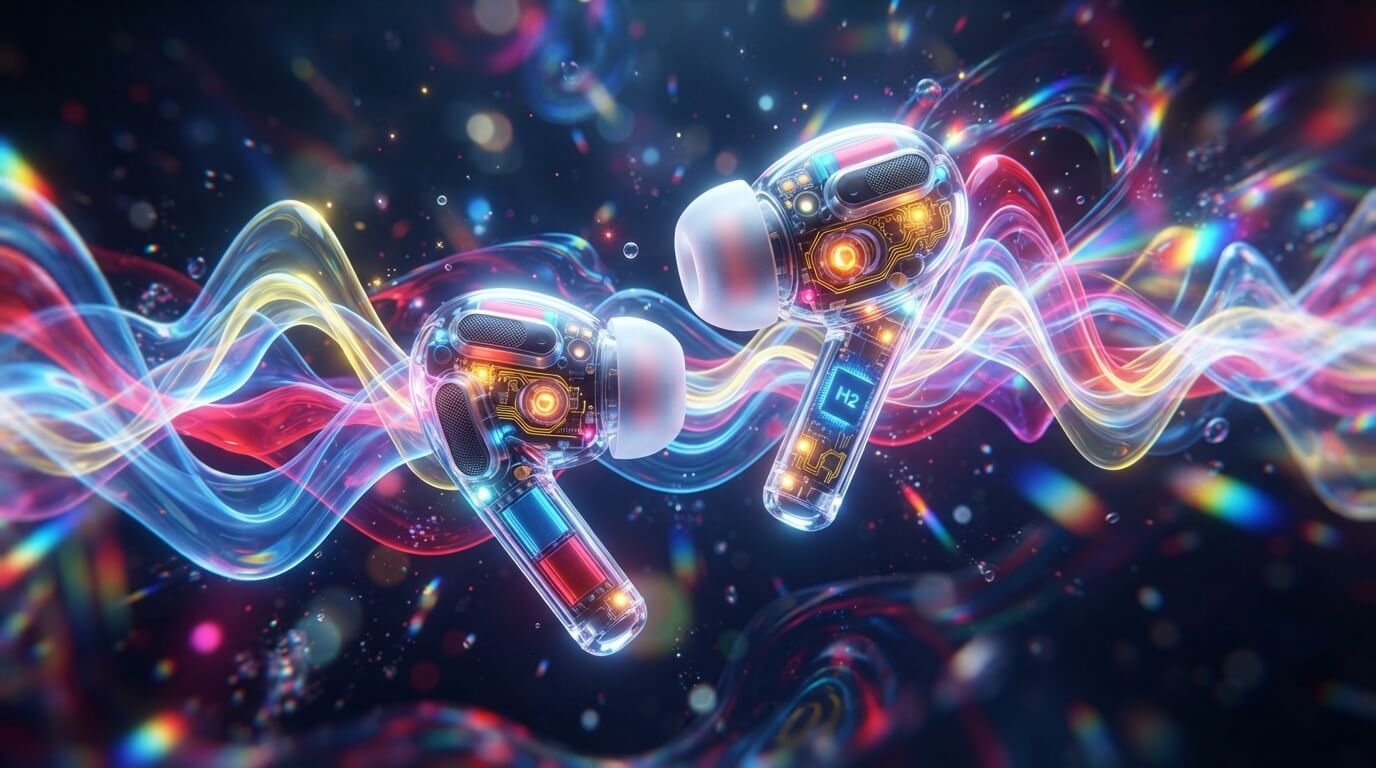
With the arrival of iOS 26, the AirPods Pro 3 unlocked studio-quality audio recording, making them genuinely useful for recording interviews, podcasts, voice memos, and even quick musical ideas.
This feature turns the earbuds into a surprisingly capable portable microphone, which is a big deal for content creators, journalists, or anyone who frequently needs to record clear audio without carrying separate recording equipment.
Battery Life and Charging
Battery life on the AirPods Pro 3 remains strong, offering up to twenty-four hours of total listening time when combined with the charging case while active noise cancellation is turned on.
The included MagSafe charging case uses USB-C, matching the rest of Apple’s current product lineup, and a quick five-minute charge in the case is enough to provide roughly an hour of listening time, which is extremely convenient for those moments when you forgot to charge them overnight.
Bluetooth Connectivity and Compatibility
The AirPods Pro 3 continue to use the Bluetooth 5.3 standard, matching the connection technology found in the previous generation. While this is not the newest Bluetooth version on the market, it still provides stable, low-latency connections across Apple devices, and the earbuds remain fully compatible with non-Apple devices as standard Bluetooth headphones, though some Apple-specific features will only work when paired with an iPhone, iPad, or Mac.
Hearing Health Features and FDA Authorization
Building on features first introduced in the previous generation, the AirPods Pro 3 continue to support Hearing Test and Hearing Aid functionality, which has received official FDA authorization in the United States. These features are designed for people eighteen and older with perceived mild to moderate hearing loss, and they work directly through the AirPods when paired with a compatible iPhone or Mac. It is worth noting that Apple is clear that these features are not meant to replace professional medical advice for anyone with serious hearing health concerns.
Price and Availability
The AirPods Pro 3 launched at the same price as their predecessor, keeping the cost at two hundred and forty-nine dollars in the United States. Given the number of new features packed into this generation, many reviewers have pointed out that keeping the price unchanged actually makes this release feel like strong value compared to previous Pro models, especially considering how much has been added in terms of sound quality, comfort, and health tracking.
Rumors About a Future Camera-Equipped Model
Interestingly, rumors have already started circulating about a possible higher-end variant arriving as soon as later in 2026, potentially featuring a small built-in infrared camera and Apple’s next-generation H3 chip.
Reports suggest this future model might not be branded as AirPods Pro 4, but instead as a higher-tier version of the current AirPods Pro 3 line, similar to how Apple already offers different tiers within the standard AirPods 4 lineup. None of this has been officially confirmed by Apple, so anyone considering AirPods Pro 3 today should not necessarily wait around for a rumored future model that may still be a year or more away.
Should You Buy the AirPods Pro 3?
For anyone currently using an older pair of AirPods or a different brand of wireless earbuds entirely, the AirPods Pro 3 represent one of the strongest overall packages currently available, combining excellent sound, class-leading noise cancellation, genuine comfort improvements, and useful new health tracking features.
While rumors of a camera-equipped future model exist, the timing remains uncertain, and the current AirPods Pro 3 already deliver enough meaningful upgrades to make them a confident purchase right now for most people who rely heavily on Apple’s ecosystem.
Final Thoughts
The AirPods Pro 3 clearly show that Apple is no longer just focused on making earbuds sound better each generation, but is instead building toward a future where your earbuds double as a health tracker, a translator, and even a portable recording studio.
Whether or not every single feature ends up being useful to you personally, there is no denying that this generation represents one of the most meaningful leaps forward the AirPods Pro line has seen in years, making it a genuinely exciting product for anyone deep inside the Apple ecosystem.