Introduction
A small speaker sitting on a kitchen counter can now answer questions, control lights, play music, and even order groceries, all without anyone touching a single button.
This is the everyday reality of smart speaker technology, and it has quietly become one of the most common pieces of tech found in homes around the world. This guide explains smart speaker technology in simple, easy to follow language, covering how it works, why it matters, and what to expect in the future.
What Is Smart Speaker Technology?
Smart speaker technology refers to speakers that combine internet connectivity, voice recognition, and artificial intelligence to do far more than simply play sound. Unlike traditional speakers that require a manual source like a phone or cable connection, smart speakers listen for voice commands and respond using built in assistants.
This technology allows users to ask questions, control other smart devices, play music, and get real time information just by speaking naturally. At its core, smart speaker technology turns a simple audio device into an interactive assistant that understands and responds to human speech.
A Brief History Of Smart Speaker Technology
Smart speaker technology did not appear out of nowhere. It grew out of decades of progress in voice recognition and artificial intelligence research. Early voice assistants on phones struggled with accuracy and often required very specific phrasing to work correctly. As natural language processing improved and cloud computing became more powerful, companies began building dedicated devices centered entirely around voice interaction.
The launch of the first mainstream smart speakers marked a turning point, showing that people were ready to talk to their devices rather than typing or tapping every request.
How Does Smart Speaker Technology Work?
Smart speaker technology relies on a combination of microphones, cloud processing, and artificial intelligence working together in real time. When someone speaks a wake word, the speaker begins listening and sends the audio to cloud servers for processing. There, speech recognition software converts spoken words into text, which is then analyzed to determine what the user actually wants.
Once the system understands the request, it sends a response back to the speaker almost instantly, whether that means answering a question, playing a song, or controlling another connected device. This entire process happens in just a second or two, even though it involves several complex steps behind the scenes.
Why Smart Speaker Technology Matters Today
As homes become smarter and more connected, smart speaker technology has become a central hub for managing everyday tasks. It matters because it removes the need for physical interaction with multiple devices, allowing people to simply speak their requests instead.
This hands free convenience is especially valuable for tasks like setting timers while cooking, checking the weather while getting ready, or controlling lights without reaching for a switch. Businesses have also taken notice, using smart speaker technology to explore new ways of engaging customers through voice based interactions.
Key Benefits Of Smart Speaker Technology
The advantages of smart speaker technology extend far beyond simple convenience. One major benefit is accessibility, since voice commands make technology easier to use for people with visual impairments or limited mobility. Another significant advantage is time saving, allowing users to multitask while still controlling music, information, or smart devices through voice alone.
Smart speaker technology also improves home automation, acting as a central hub that connects lights, thermostats, and security systems into one simple voice controlled experience. On top of that, many smart speakers continue learning user preferences over time, making interactions feel more personalized with continued use.
Different Types Of Smart Speaker Technology
Not all smart speakers are built the same way, and smart speaker technology spans a fairly wide range of devices. Basic smart speakers focus mainly on voice assistant features and music playback, offering an affordable entry point into the technology.
Premium smart speakers often include higher quality audio components alongside advanced voice recognition, appealing to users who care about sound quality as much as smart features. Some smart speakers also include small screens, blending voice control with visual information for tasks like video calls or recipe instructions. This variety allows smart speaker technology to fit different budgets and use cases.
Smart Speaker Technology In Smart Homes
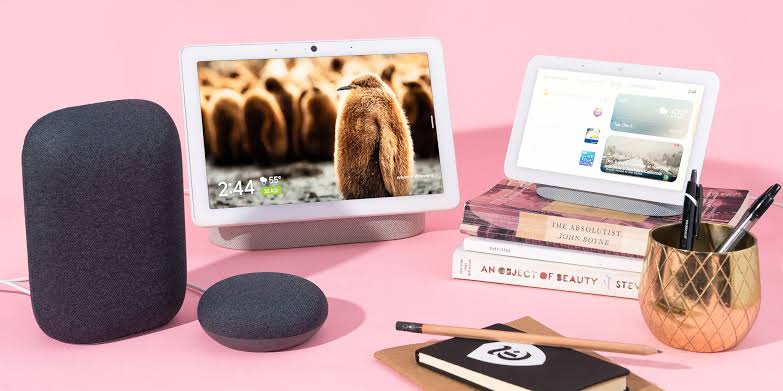
Smart homes represent one of the biggest use cases for smart speaker technology. A single smart speaker can control lighting, thermostats, door locks, and security cameras, all through simple voice commands. Instead of managing several different apps, homeowners can simply speak instructions like adjusting the temperature or checking if the front door is locked.
This centralization is a major reason smart speaker technology has become such a popular entry point for people building out a fully connected smart home system.
Smart Speaker Technology For Entertainment
Entertainment remains one of the most common uses for smart speaker technology. Users can ask their speaker to play specific songs, artists, or playlists without needing to touch a phone or remote. Many smart speakers also support voice controlled podcasts, audiobooks, and even trivia games, turning a simple speaker into an interactive entertainment hub.
This ease of access has made smart speaker technology especially popular in kitchens, living rooms, and bedrooms, where hands free control adds real practical value.
Smart Speaker Technology In Daily Productivity
Beyond entertainment, smart speaker technology plays a surprisingly large role in everyday productivity. Setting reminders, creating shopping lists, checking calendars, and getting quick weather updates are all tasks that smart speakers handle effortlessly through voice commands.
This hands free approach is especially useful during busy moments, such as cooking or getting ready in the morning, when typing on a phone would be inconvenient. Over time, these small productivity boosts add up, making smart speaker technology a genuinely useful daily tool rather than just a novelty gadget.
Smart Speaker Technology In Business Settings
Businesses have started exploring smart speaker technology for purposes beyond personal home use. Some companies use voice enabled speakers in meeting rooms to control presentations or start video calls hands free. Retail businesses have experimented with voice activated customer service kiosks powered by similar underlying technology.
Hospitality industries, such as hotels, have also begun placing smart speakers in rooms to let guests control lighting, temperature, or request services without needing to call the front desk directly.
Smart Speaker Technology And Accessibility
One of the most meaningful applications of smart speaker technology is in improving accessibility for people with disabilities. Individuals with limited mobility can control their entire home environment through voice alone, reducing dependence on manual switches or remotes.
People with visual impairments benefit from voice based information delivery, allowing them to access news, weather, and reminders without needing to read a screen. This accessibility focused use of smart speaker technology highlights how the innovation extends well beyond convenience into genuinely improving quality of life.
Common Challenges With Smart Speaker Technology
Despite its many benefits, smart speaker technology does face a few notable challenges. Privacy concerns remain one of the biggest issues, since these devices are designed to constantly listen for wake words, raising questions about data collection and storage. Misunderstood commands can also be frustrating, particularly with background noise or heavy accents that voice recognition software sometimes struggles to process accurately.
Compatibility issues between different smart home brands can further complicate setup, since not every smart speaker works seamlessly with every connected device. Manufacturers continue working to address these concerns through better security measures and improved voice recognition accuracy.
How To Choose The Right Smart Speaker Technology
Selecting the right smart speaker depends largely on how you plan to use it. If smart home control is the main priority, look for a speaker that supports the widest range of compatible devices. For those focused on entertainment, prioritizing sound quality alongside voice features will lead to better satisfaction long term.
Budget conscious buyers can often find reliable basic models that cover essential voice assistant functions without unnecessary extras. Regardless of the use case, checking privacy settings and data controls is an important step before bringing any smart speaker technology into your home.
The Future Of Smart Speaker Technology
The future of smart speaker technology looks set to become even more conversational and context aware. Artificial intelligence improvements will likely allow speakers to understand more natural, complex requests rather than requiring specific phrasing. Personalization is expected to deepen further, with speakers anticipating needs based on daily routines and past behavior.
Integration with other emerging technologies, such as augmented reality and advanced smart home systems, will likely expand what smart speaker technology can do, turning these devices into even more capable digital companions.
Tips To Get The Most From Smart Speaker Technology
To fully benefit from smart speaker technology, it helps to explore the companion app thoroughly, since many useful features often go unnoticed by default. Setting up routines, which combine multiple actions into a single voice command, can significantly improve daily convenience.
Regularly reviewing privacy settings ensures you stay comfortable with how much data your device collects and stores. Lastly, keeping firmware updated allows your smart speaker to benefit from ongoing improvements in accuracy, security, and available features over time.
Final Thoughts On Smart Speaker Technology
Smart speaker technology has evolved from a simple novelty into a genuinely useful tool that touches entertainment, productivity, accessibility, and home automation all at once. Its ability to understand natural speech and connect seamlessly with other devices has made it one of the most practical pieces of technology found in modern homes. As artificial intelligence continues advancing, smart speaker technology will likely become even smarter and more intuitive, further blurring the line between speaking to a device and simply having a natural conversation with it.